
13 results
- Yardworks 65558 5-Ton 1-3/4 HP Duo Cut Electric Log Splitter$469.99
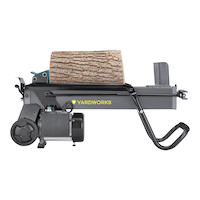
- Yardworks 65556 4-Ton 1-3/4 HP Electric Log Splitter$299.99price was $399.99Save 25% ($100.00)
- Yardworks 65575-9 9-Ton 1.75 HP Electric Log Splitter$499.99price was $679.99Save 26% ($180.00)
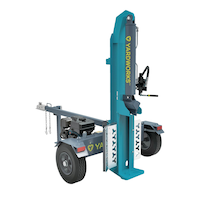
- Yardworks 100876 25-Ton 224cc Gas-Powered Log Splitter$1,599.99
- Yardworks 65558P-6 6-Ton 1-3/4 HP Duo Cut Electric Log Splitter with Pedal$399.99price was $529.99Save 25% ($130.00)
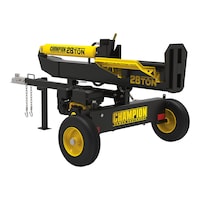
- Champion Power Equipment 224cc Full Beam Log Splitter$1,699.99price was $1,899.99Save 11% ($200.00)
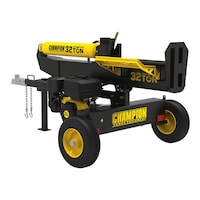
- Champion Power Equipment 301cc Full Beam Log Splitter, 32-ton$1,949.99price was $2,199.99Save 11% ($250.00)
- Mini Kabin Manual Steel Firewood Log Splitter, 6.5-inNOW$79.93price was $99.99
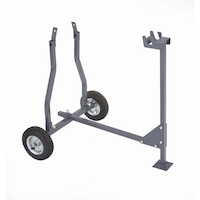
- Yardworks 4-Ton Log Splitter Work Stand$39.99
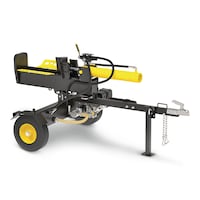
- Champion 100888 20-Ton 224cc Gas-Powered Log Splitter with Wheels, Hitch & Fenders$1,699.99
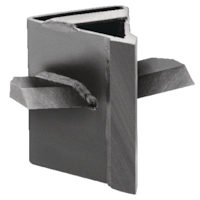
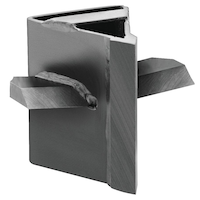
- Yardworks Steel 4-Way Wedge for Yardworks 4/5/6-Ton Log Splitter$39.99
- Yardworks Steel 4-Way Wedge for Yardworks 9-Ton Log Splitter$39.99
- Detail K2 OPS240 40-Ton 22-in Log Length 7 HP 208cc Gas-Powered Cordless Log Splitter$3,699.99